THE MUSEUM
THE FORTE BELVEDERE
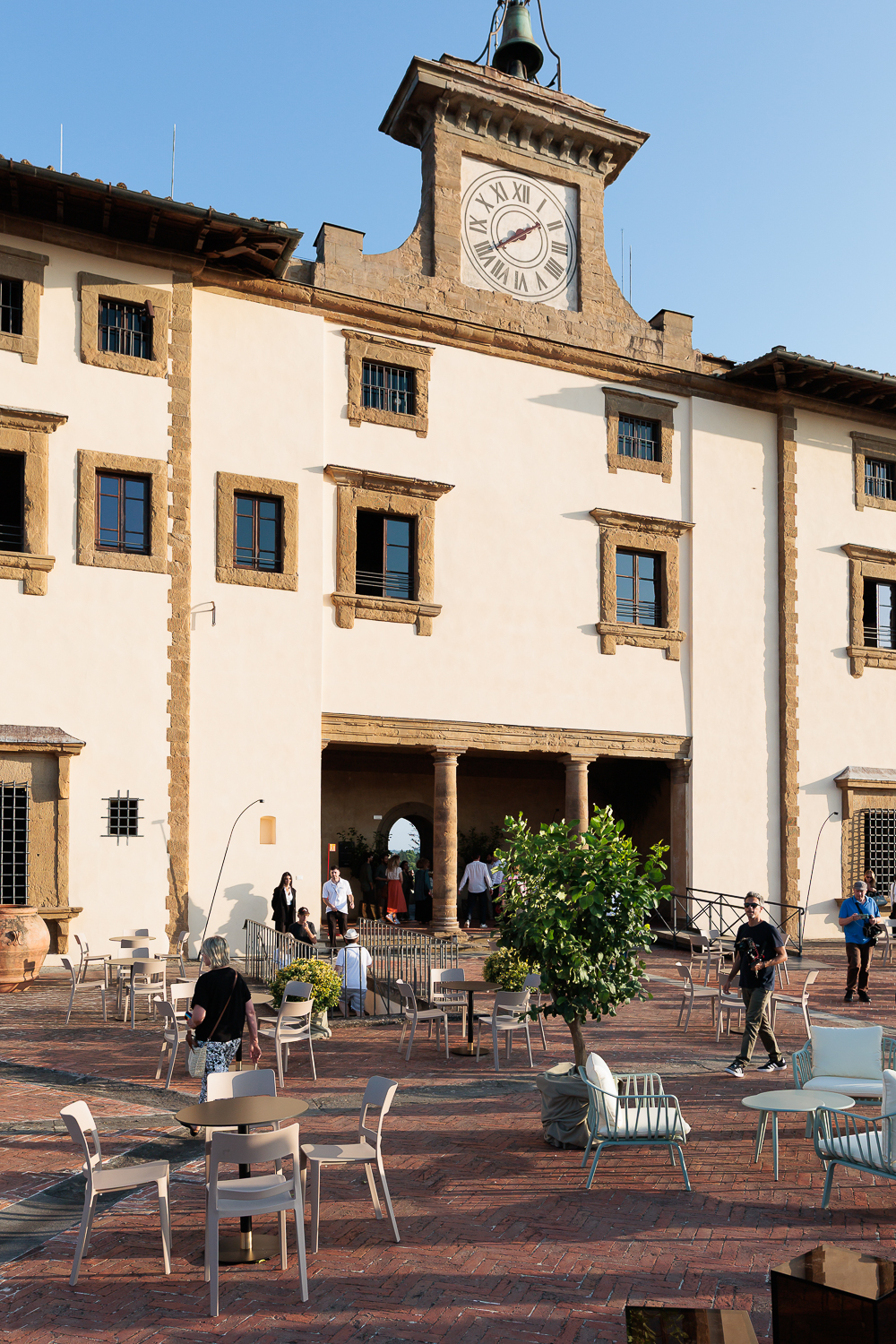
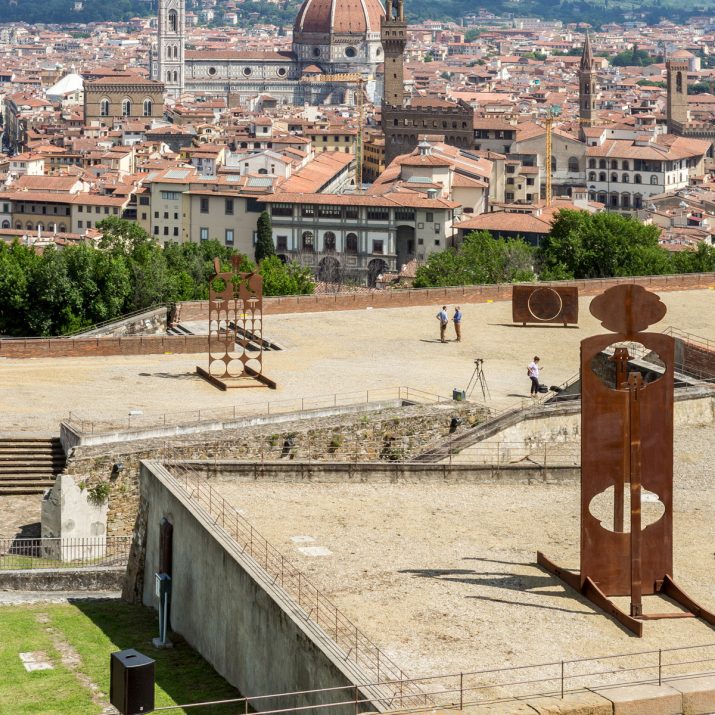
From the heart of Florence, crossing Ponte Vecchio and ascending along Costa San Giorgio, visitors pass through the gateway of the same name and reach one of the city’s most fascinating landmarks: the Forte di Santa Maria in Belvedere, better known as Forte di Belvedere. Built between 1590 and 1595 at the request of Grand Duke Ferdinando I de’ Medici, it was designed by Bernardo Buontalenti, Don Giovanni de’ Medici, and Alessandro Pieroni.
The fortress represents the final stage of a broader project aimed at strengthening the defensive system of the Oltrarno district, which had already undergone major works in previous decades. It also served as the outermost extension of the grand ducal residence of Palazzo Pitti, located on the summit of the Boboli hill.
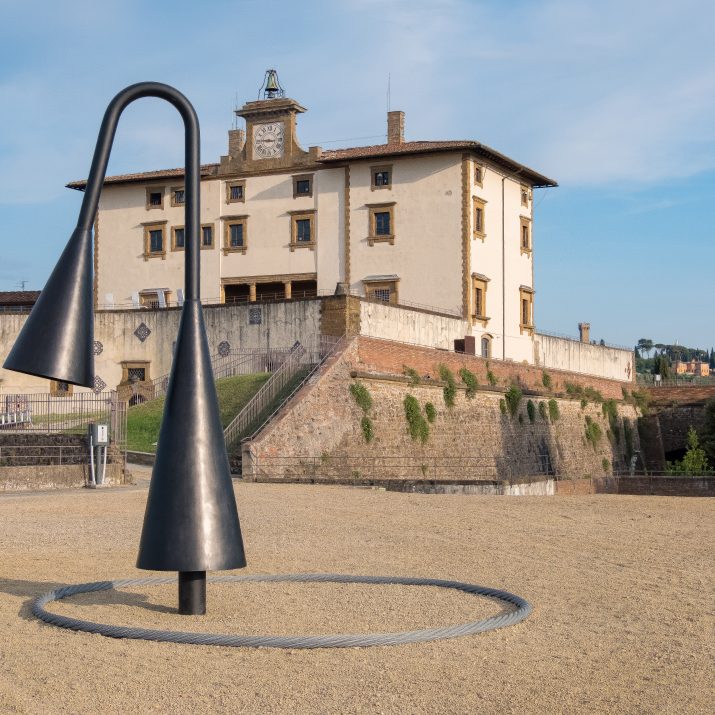
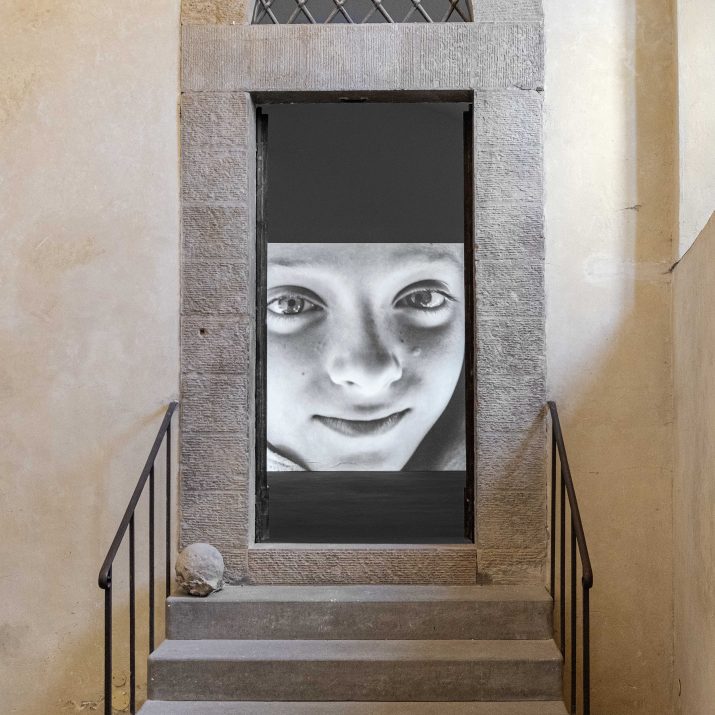
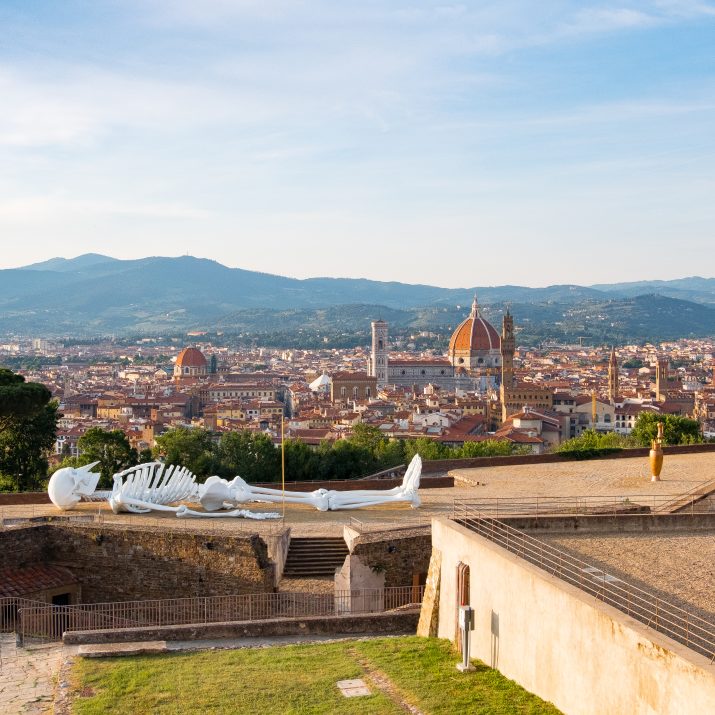
Built on the site of an earlier bastion, the fortress features an irregular pentagonal layout, with a bastioned front on three sides and a double-tonged defensive structure facing south. From the access ramp, visitors can reach the ramparts, gun emplacements, and the elegant palazzina. The latter, built as early as 1575 and attributed to Bartolomeo Ammannati, features two symmetrical loggias offering breathtaking views over the city and the surrounding countryside.
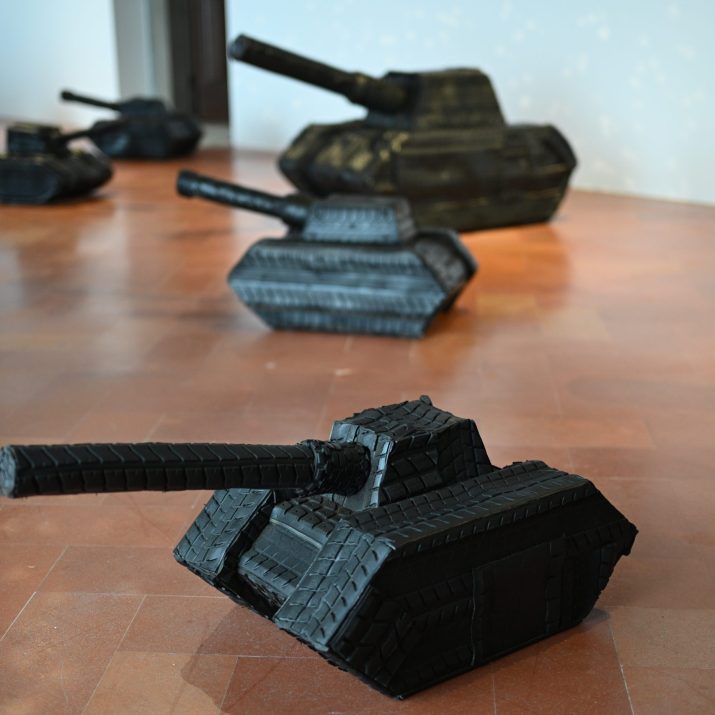
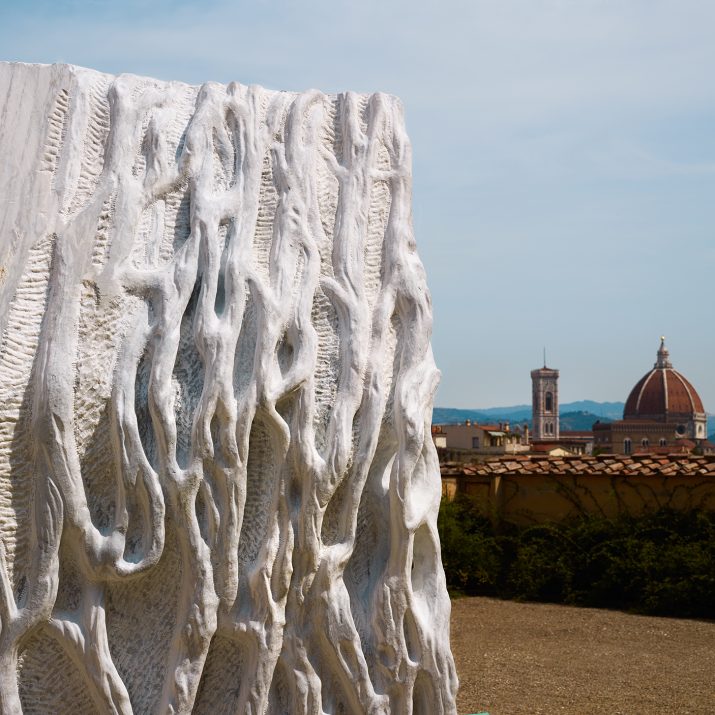
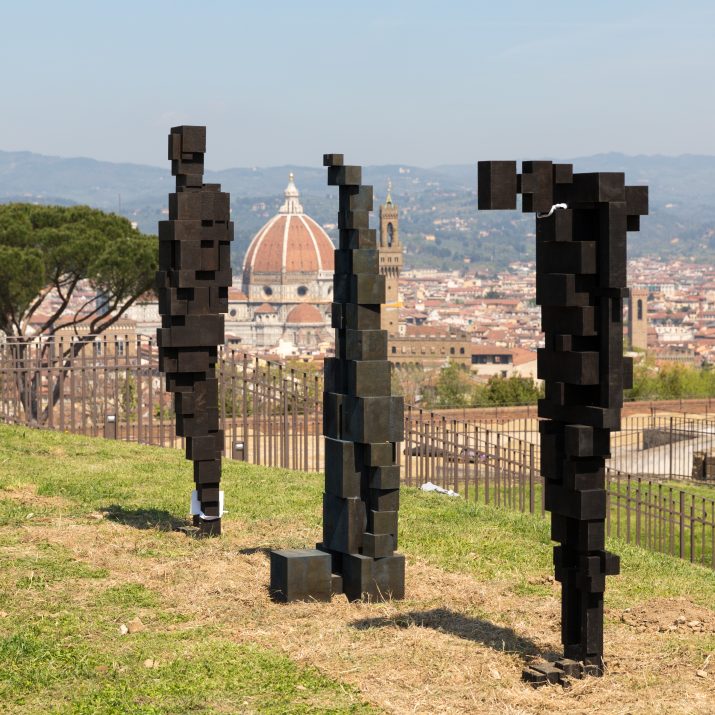
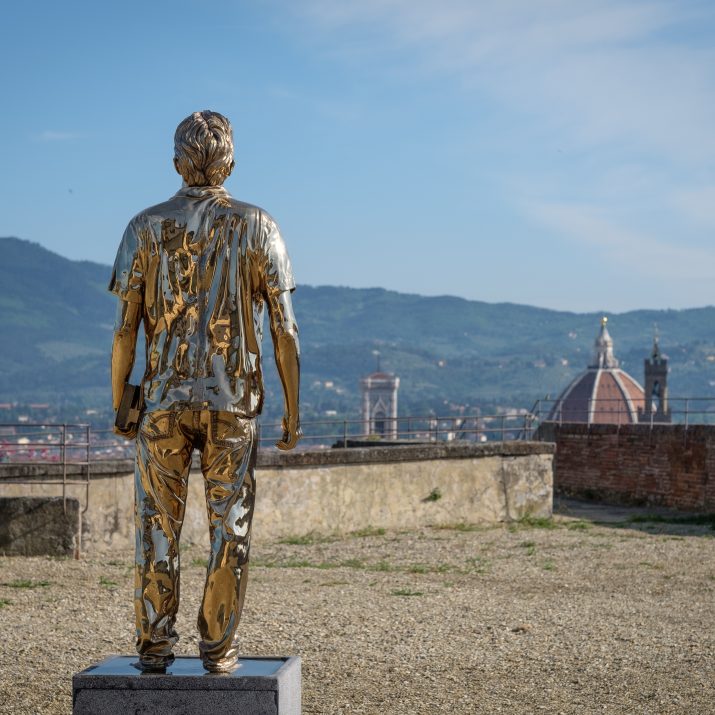
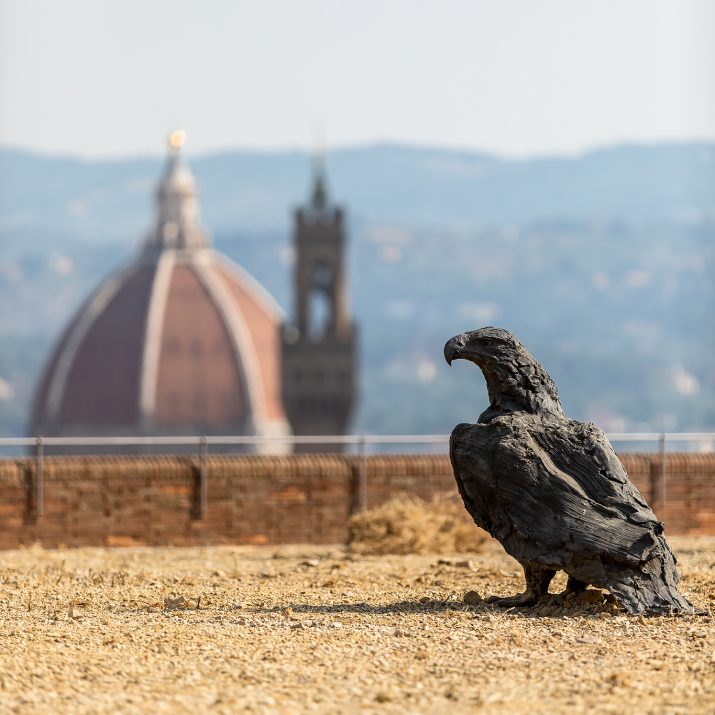
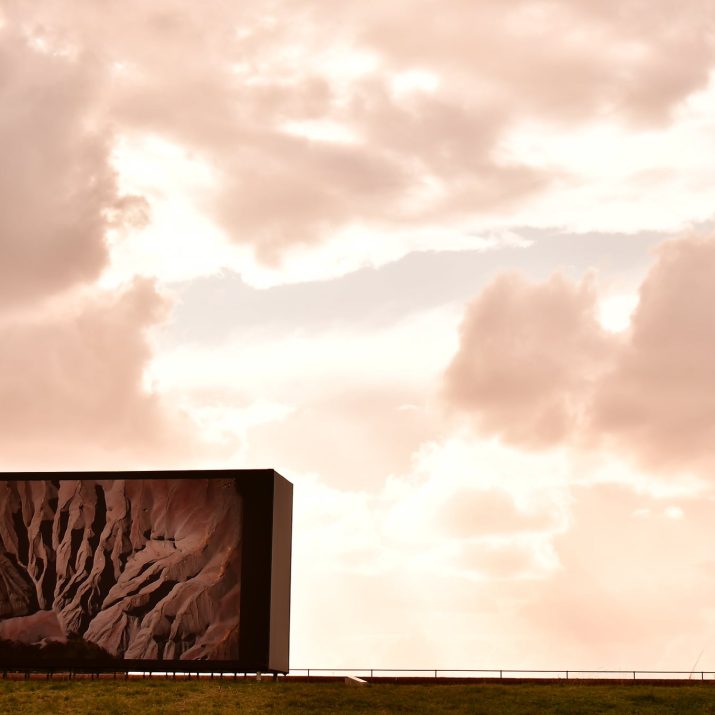
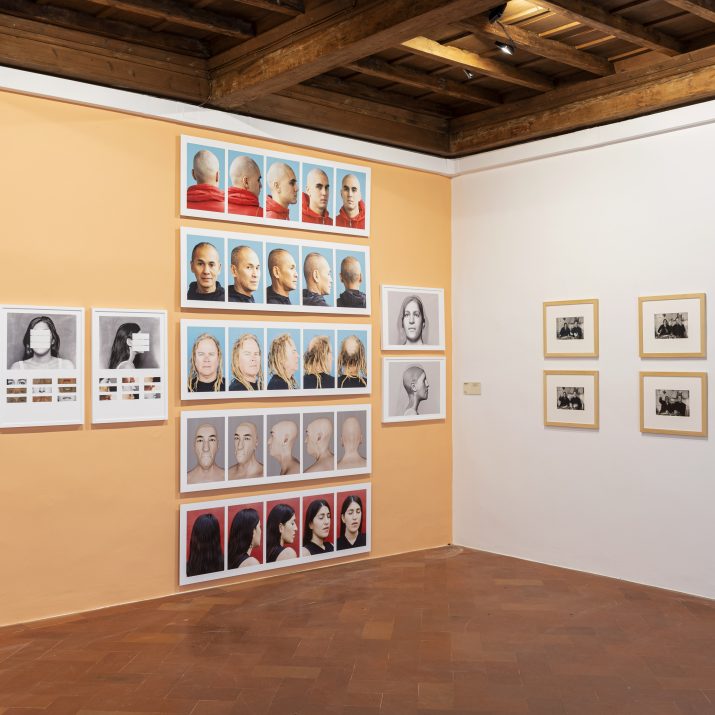
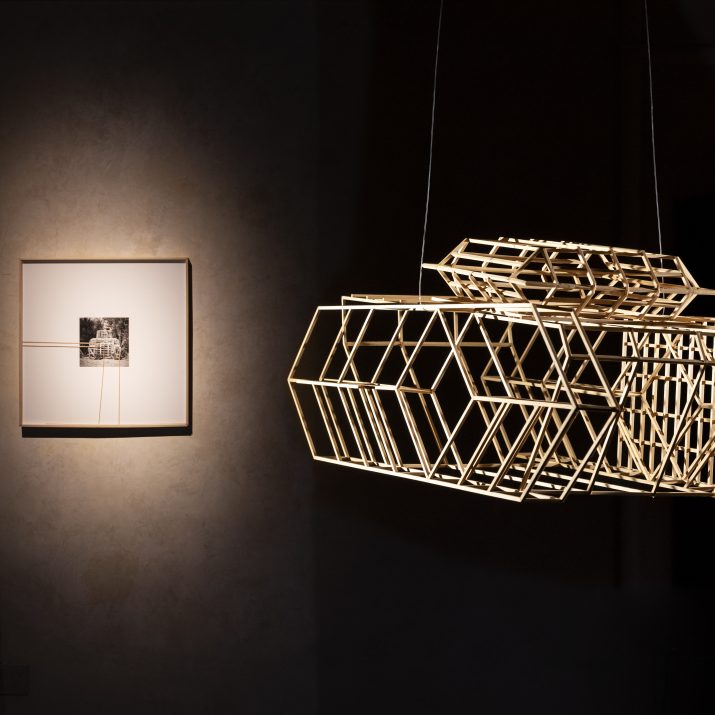
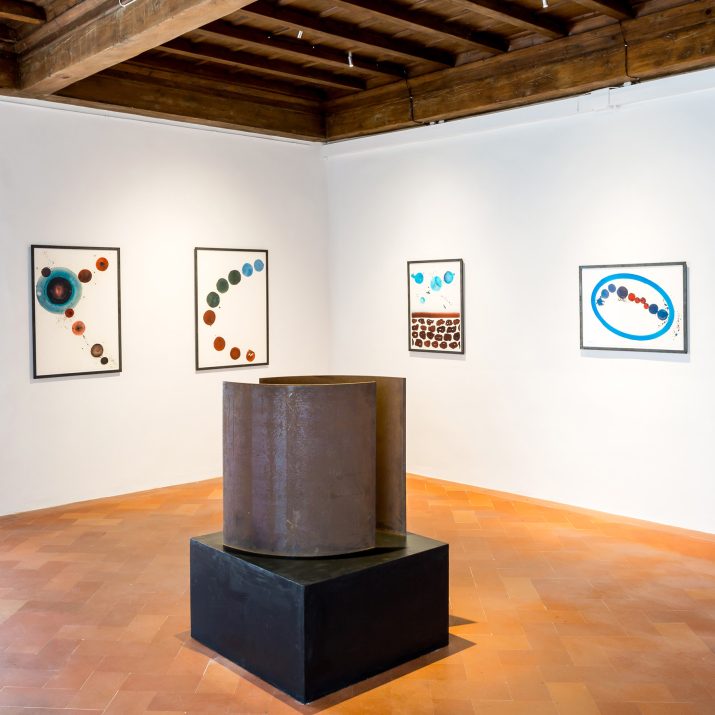
With the transfer from the Military State Property to the Civil State Property in 1954, Forte di Belvedere took on the role of an exhibition venue, becoming the setting for an important and still-thriving cultural season. Notable examples include the exhibitions of frescoes detached from their original locations held in the late 1950s, Henry Moore’s solo exhibition in 1972, and, more recently, exhibitions featuring artists such as Giuseppe Penone, Antony Gormley, Jan Fabre, and Eliseo Mattiacci.

VISITS, ACTIVITIES AND ADMISSIONS
The visits and activities developed by MUS.E allow visitors to discover the history and spaces of Forte di Belvedere, while also exploring its connections with the city, past and present. They encourage active participation from everyone, including through an intergenerational approach.
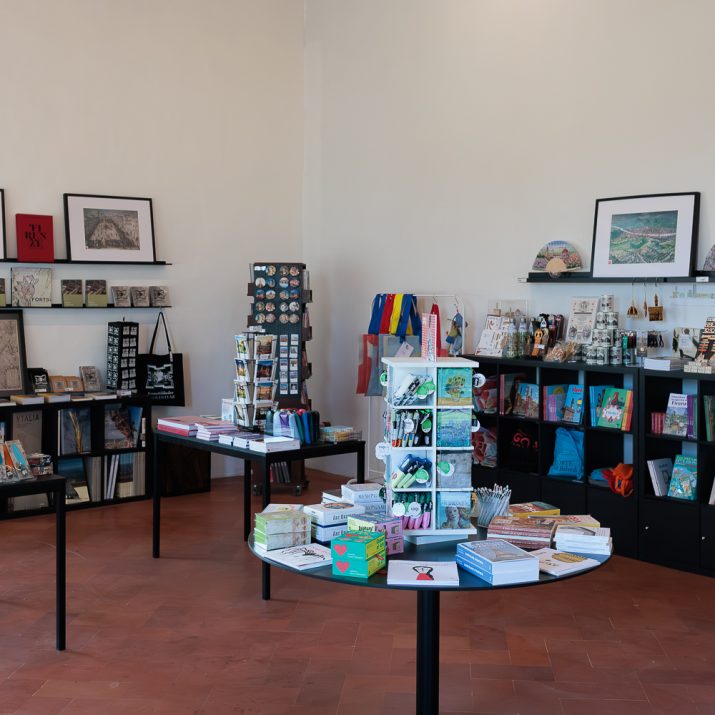
Bookshop with a view
More than just a shop, it is an editorial space that reflects the identity of Forte di Belvedere. Art books, exhibition catalogues, museum publications, and carefully selected objects for those who wish to take home a refined and original memento.